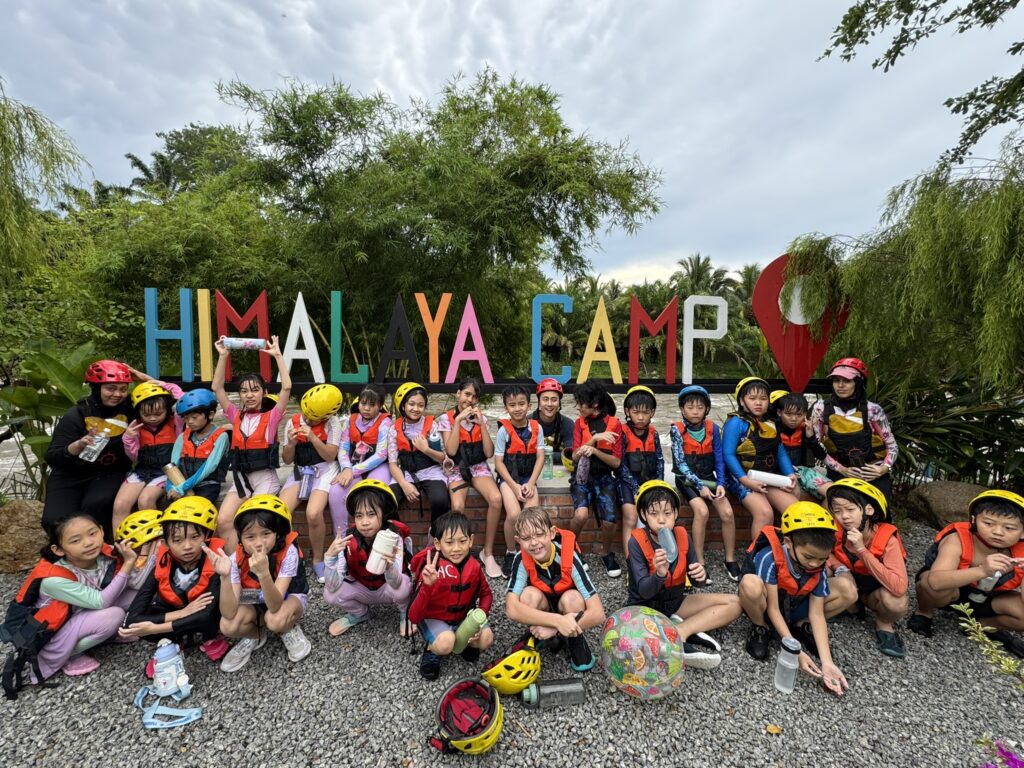
What if the classroom isn’t actually a classroom?
What if it is a river?
A forest.
A mountain trail.
A campsite.
A cave.
Or a kayak drifting down a river.
At Morph Outdoors, we believe some of the most meaningful learning happens when children step outside the four walls of a traditional classroom.
Not because classrooms aren’t important.
But because the world outside offers something a classroom sometimes can’t:
A chance to experience knowledge rather than simply learn about it.
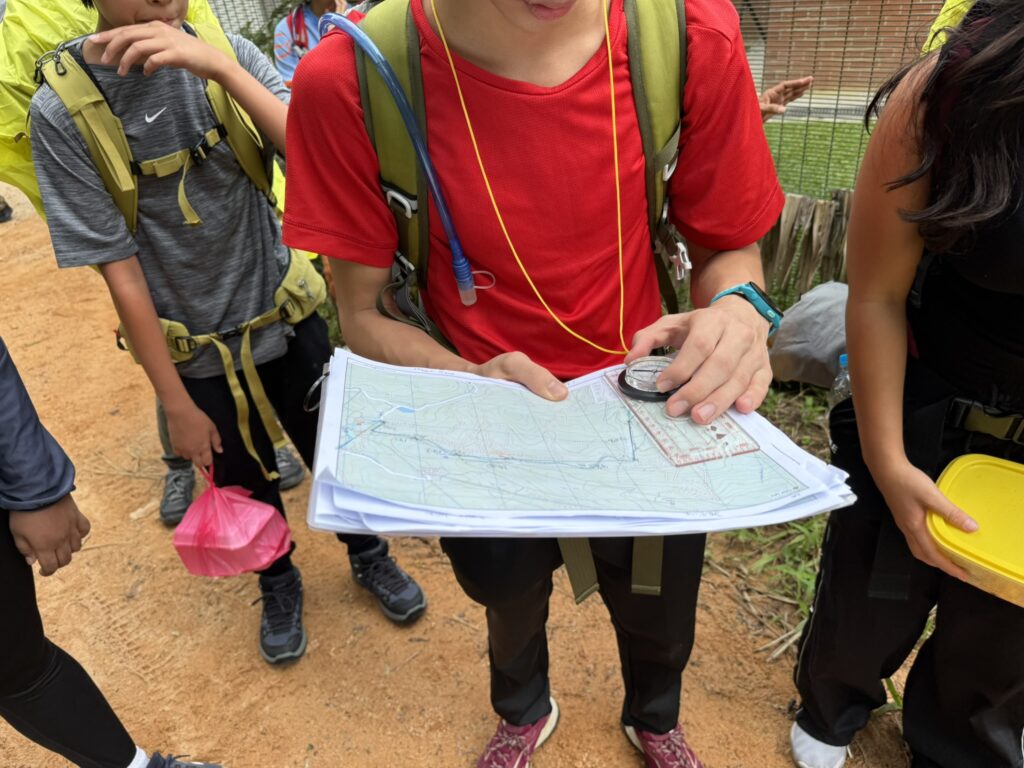
Learning Becomes Real
Inside a classroom, a student can learn about water.
Outside, they can stand beside a river and watch how quickly it moves.
They can feel the current.
They can observe how rocks change the flow.
They can discuss why one section is calm while another creates rapids.
Suddenly, the lesson isn’t something written in a textbook.
It’s happening in front of them.
The same applies to almost every environment.
A forest can become a biology lesson.
A hike can become a lesson in geography and physical endurance.
A kayak expedition can become a lesson in teamwork and navigation.
A camp kitchen can become a lesson in planning, resource management and responsibility.
A challenging activity can become a lesson in fear, confidence and decision-making.
The environment becomes the teacher.
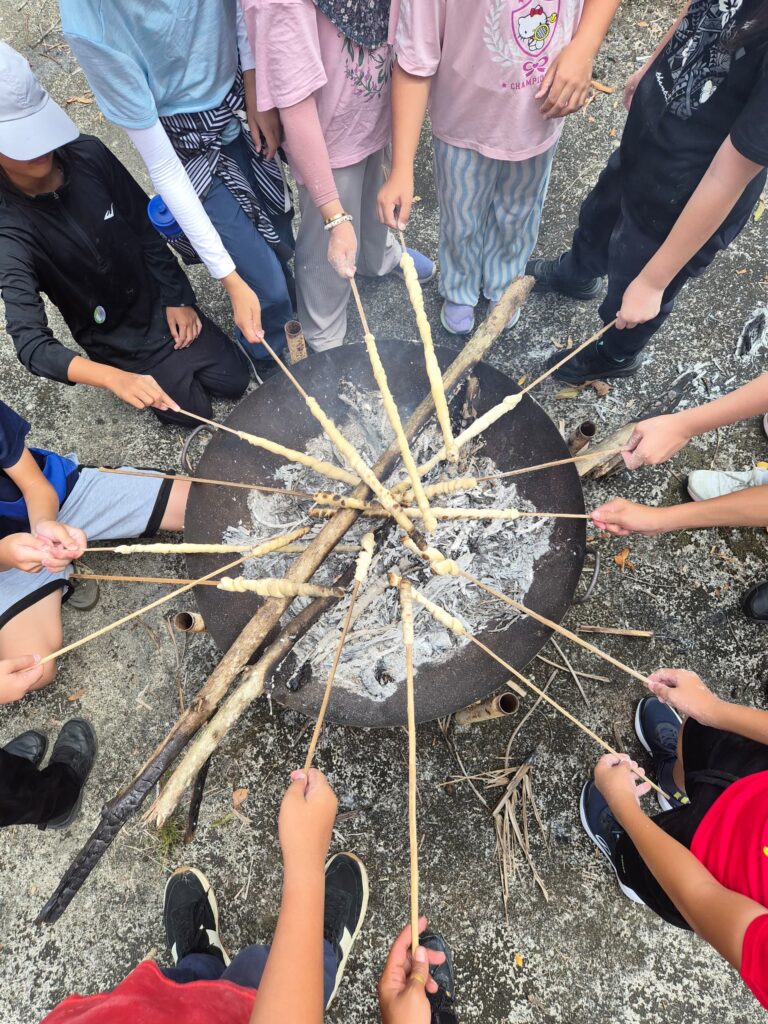
Beyond the Learning Outcome
Outdoor education is often expected to have clearly defined outcomes.
Leadership.
Teamwork.
Communication.
Problem-solving.
Resilience.
These are all important.
But sometimes, the most valuable things children learn outdoors aren’t things we can easily put into a checklist.
It’s the moment a child realises they can keep going after they thought they couldn’t.
It’s watching a student who was initially afraid of the water eventually jump in.
It’s seeing a group argue about which route to take, work through the disagreement and eventually make a decision together.
It’s the quiet satisfaction of building something with their own hands.
These experiences create memories.
And memories create meaning.
The Environment Creates the Challenge
One of the things we love about outdoor learning is that the environment doesn’t always cooperate.
A classroom activity can be reset.
A worksheet can be redone.
But outdoors, conditions change.
It might rain.
The river might be higher than expected.
The trail might be more difficult than it looked on the map.
Someone might become tired.
A planned route might no longer be suitable.
And that is where real learning begins.
Children have to stop and ask:
What do we do now?
There isn’t always one correct answer.
They have to assess the situation, communicate with each other, consider their options and make a decision.
That is learning that cannot simply be memorised.
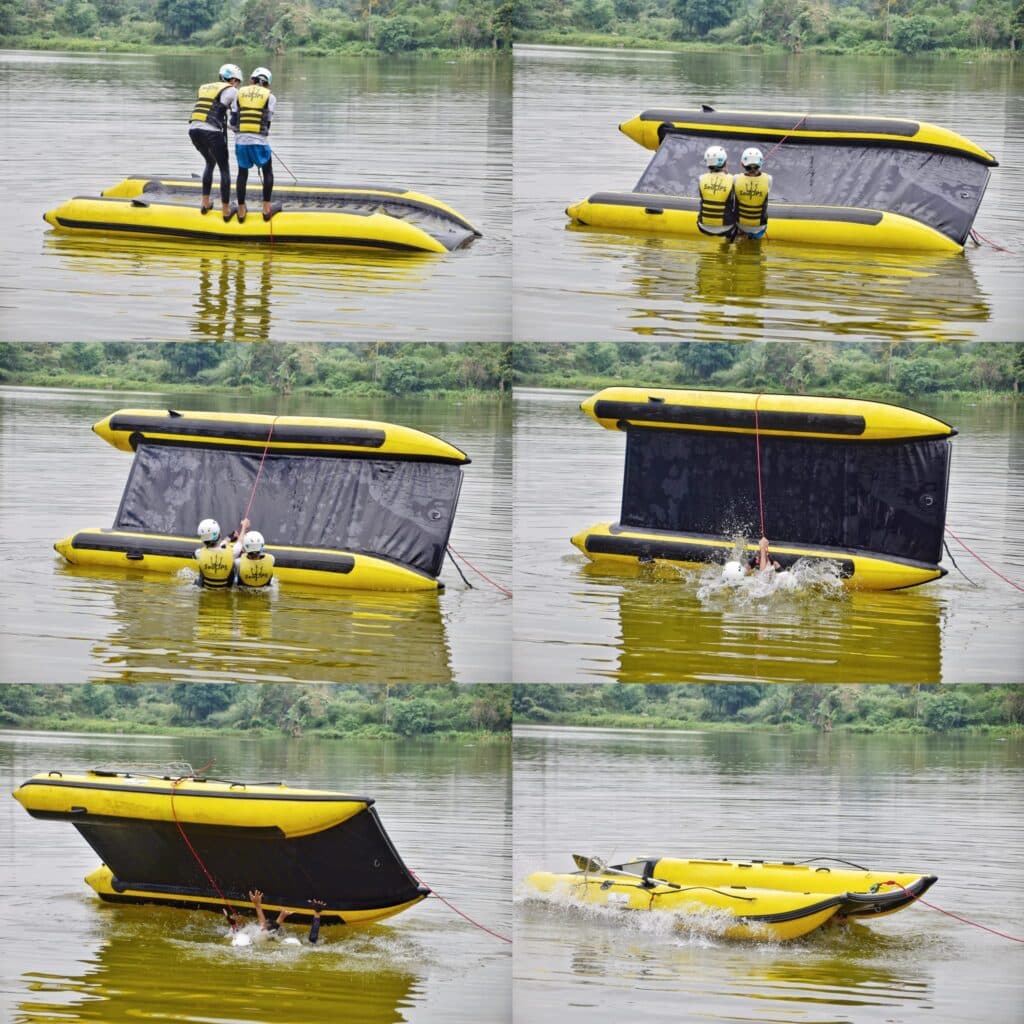
From Following Instructions to Making Decisions
At Morph Outdoors, we want to gradually move children from being participants to becoming decision-makers.
When children are young, it is natural for an instructor to say:
“Follow me.”
As they grow, we want to change the question to:
“Where do you think we should go?”
And eventually:
“What do you think we should do?”
That progression matters.
Outdoor education gives us opportunities to hand responsibility back to young people.
Let them plan the route.
Let them read the map.
Let them check the weather.
Let them organise the equipment.
Let them decide how to approach a challenge.
Let them make mistakes in an environment where those mistakes can be managed safely.
Because the ultimate goal isn’t to create children who are excellent at following instructions.
It’s to develop young people who can make good decisions when there are no instructions.
A Bigger Classroom
The outdoors doesn’t replace the classroom.
It expands it.
The knowledge children learn in school gives them the foundation to understand the world.
Outdoor experiences give them opportunities to apply that knowledge.
A map isn’t just a piece of paper.
It becomes a tool for deciding where to go.
A weather forecast isn’t just information.
It becomes part of deciding whether a route is appropriate.
A lesson about ecosystems isn’t just a chapter in a textbook.
It becomes something they can observe while walking through a forest.
A lesson about leadership isn’t just a definition.
It becomes a decision they have to make when their team is tired and the trail still has another three kilometres to go.
This is where education becomes experiential.
Why We Take Learning Outside
At Morph Outdoors, we aren’t interested in simply taking children outdoors for the sake of being outdoors.
We want to create experiences where the environment itself becomes part of the learning.
Our programmes are designed to give young people opportunities to explore, experiment, make decisions, solve problems and experience challenges.
Sometimes that happens on a climbing wall.
Sometimes it happens on a river.
Sometimes around a campfire.
And sometimes it happens simply by walking through a forest and paying attention to what is around them.
Because when we remove the walls, something interesting happens.
Children stop asking:
“What is the answer?”
And start asking:
“What should we do?”
That shift is at the heart of what we believe outdoor education can offer.
The classroom has its place.
But the world is the biggest classroom we have.
And it has no walls.
Explore. Endure. Evolve.